




skip to content

Time Blocks

Visual timekeeping.

experimentalTempo, live - scroll winds the crown, esc hands the page back.open full ↗
01

the shapes of time

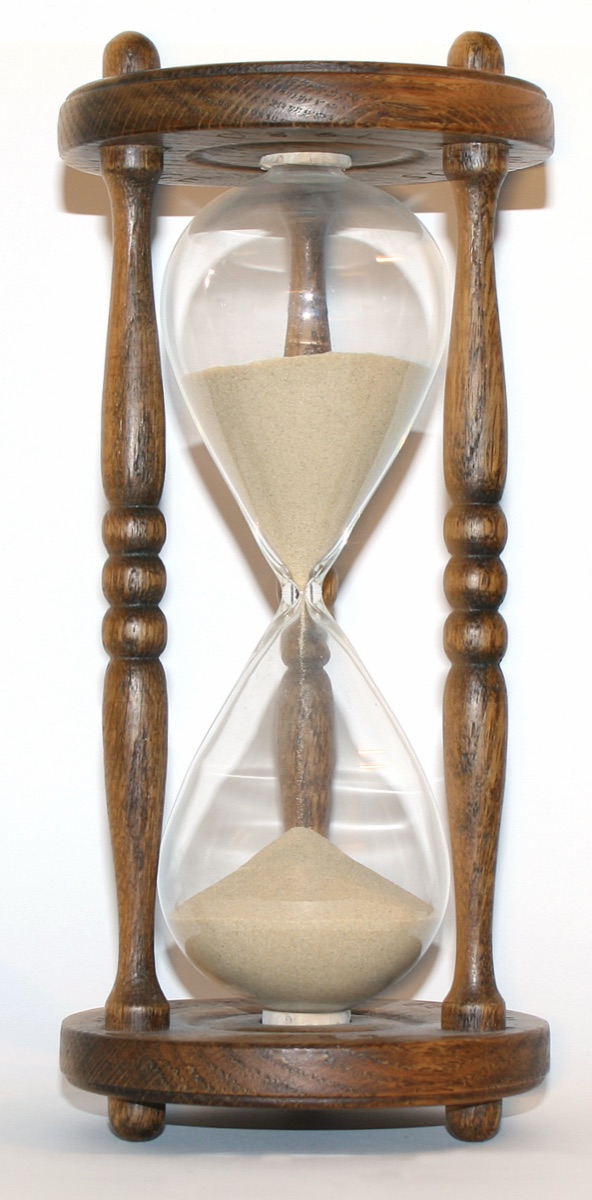
the hourglass

A wooden hourglass, sand mid-fall
photo: S. Sepp, CC BY-SA, Wikimedia Commons

You understand it the first time you see it. Nothing reads faster, and nothing reads coarser: one span, one direction, no numbers. Not precise enough to live by.

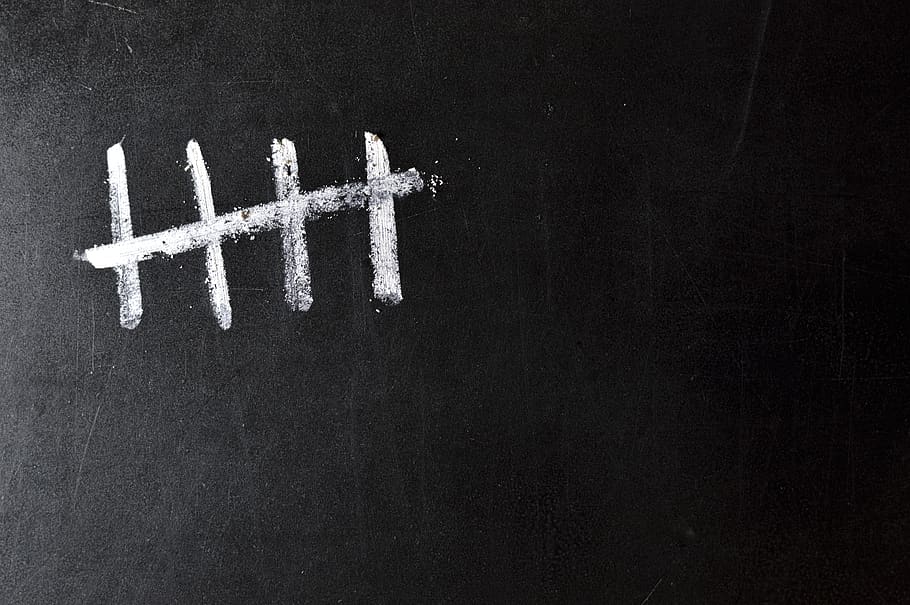
the tally

Tally marks counting days, scratched in groups of five
the jail-wall count, from the 2023 write-up

Days scratched in fives, where you live them. Each mark a block of lived time, the count readable at a glance. Ancient, ubiquitous, and nameless to me until a stranger opened an issue to hand me the word: tallying.

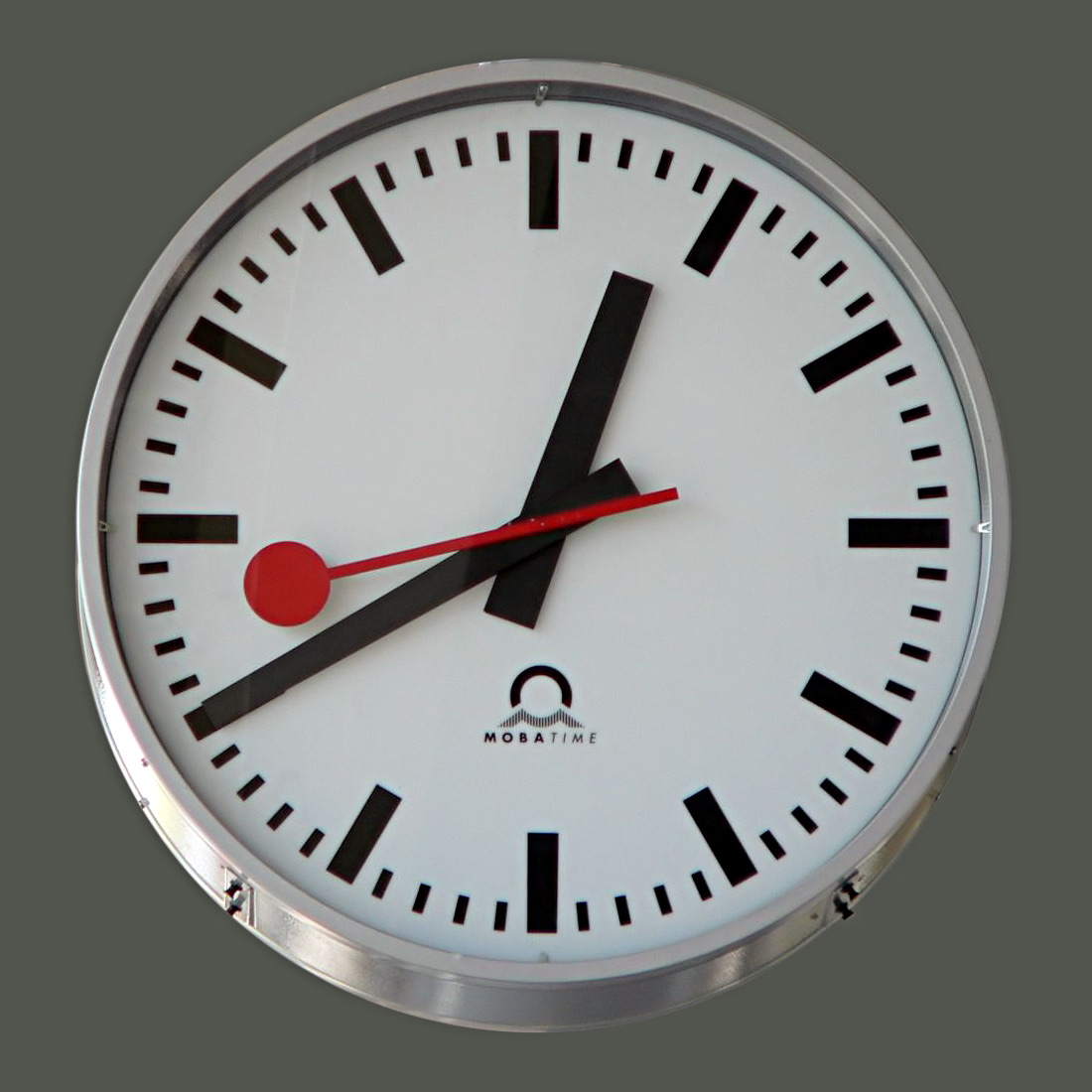
the analog clock

The Swiss railway clock face: bar markers, red lollipop second hand
the SBB railway clock · Wikimedia Commons

Precise, and readable across a room - once you have learned it, and the learning never quite finishes. The dial is decoded, not seen.

the digital clock

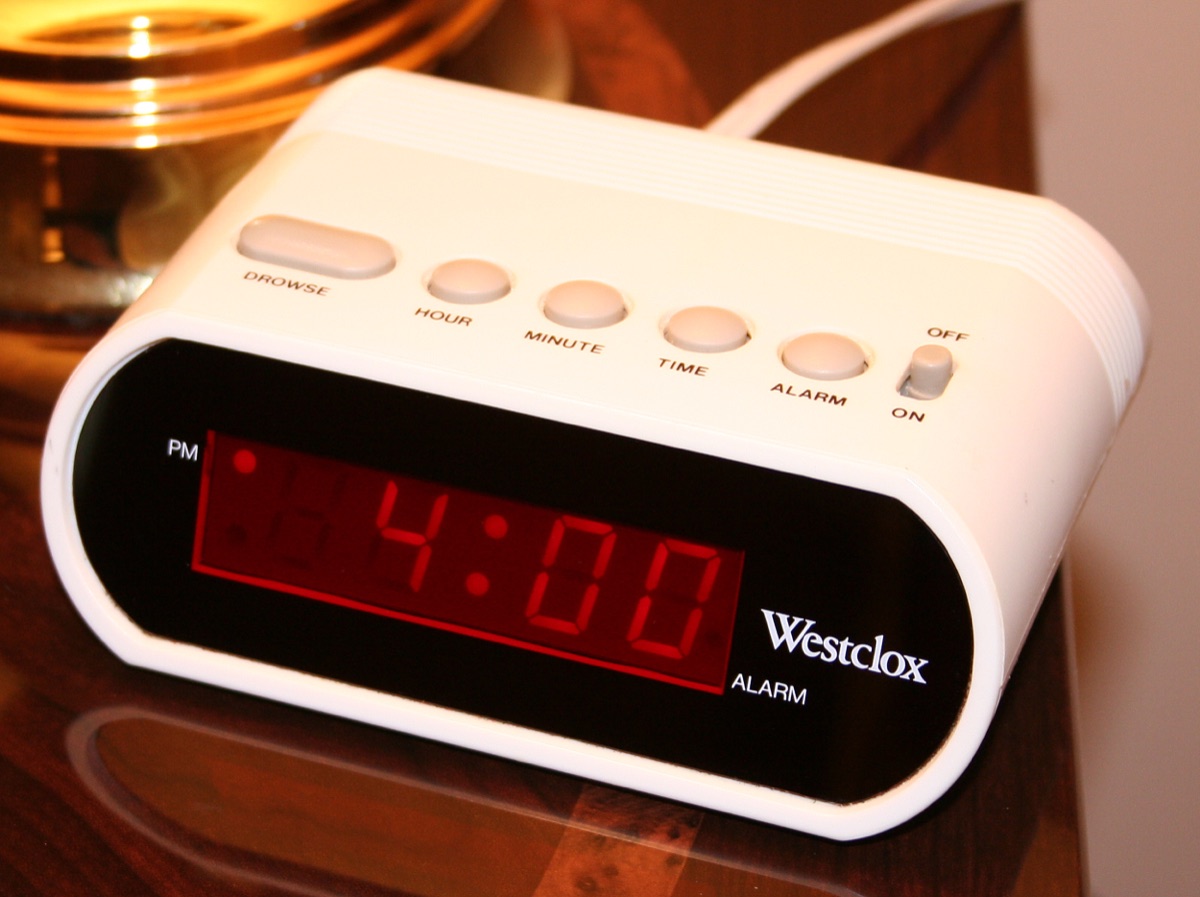
A bedside digital alarm clock, red seven-segment digits
photo: Wikimedia Commons

Exact, compact, symbolic. 11:30 tells you everything and shows you nothing: no cue survives into peripheral vision. You must stop and read it.

the gap

The chart was always the argument: one corner is empty. Readable at a glance and precise enough to live by - nothing lives there.

time blocks

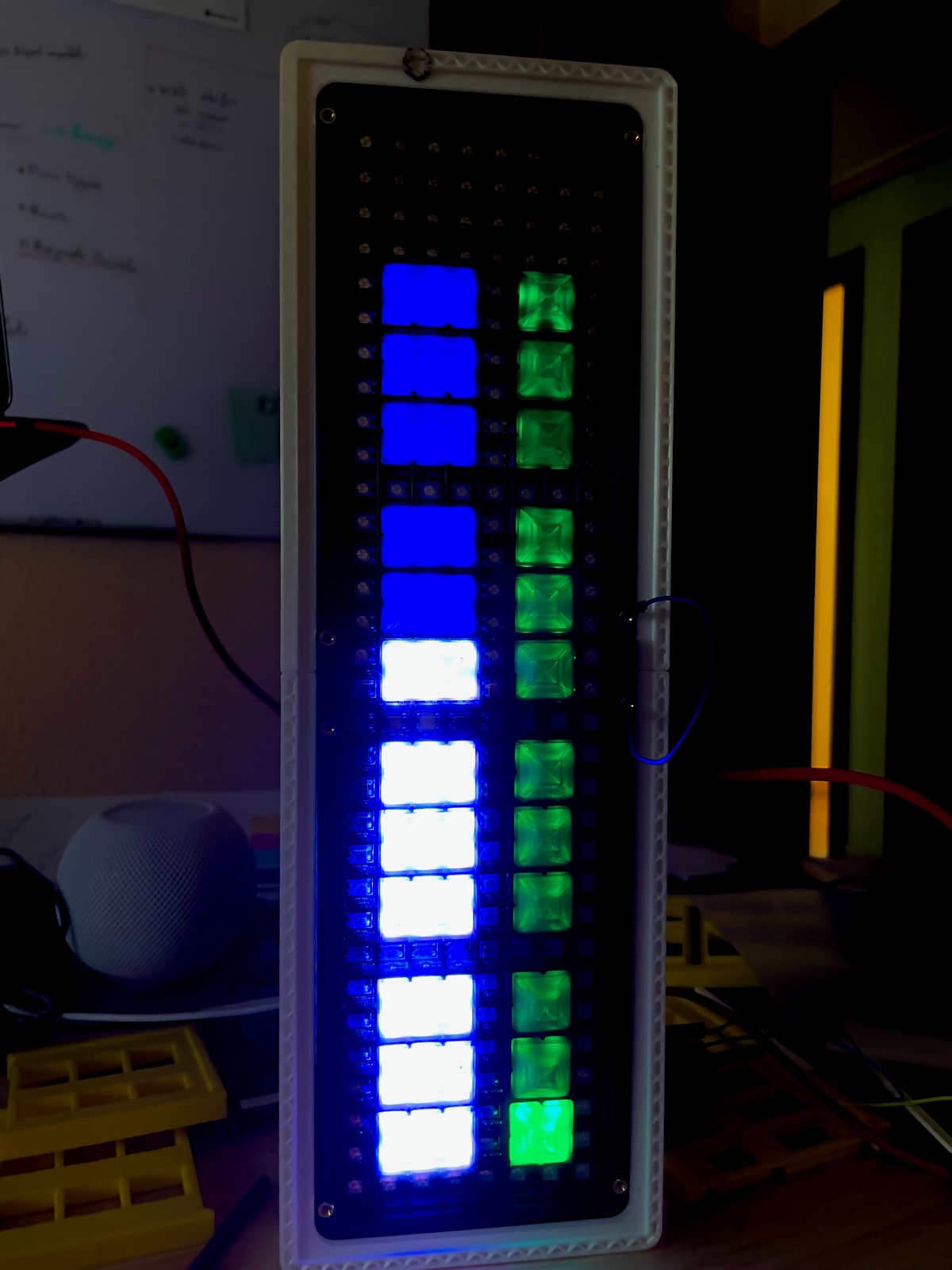
The 2022 hardware prototype standing on a desk, block columns glowing
the 2022 prototype - full trail in the record below

Two columns of twelve. Hours in one; five-minute blocks in the other, grouped in quarters so the eye counts groups, not marks. That corner is the pattern's home.

hourglass
tally
analog
digital
time blocks
readable at a glance →precise →
02

sightings

Once you see the pattern you find it everywhere. None of these copied each other; they keep being reinvented because the pattern is real. A dated log of it in the wild:

the hourglass

antiquity

the ancestor: one block, one span, understood on sight.

tallying

antiquity

blocks of days, scratched where you live them.

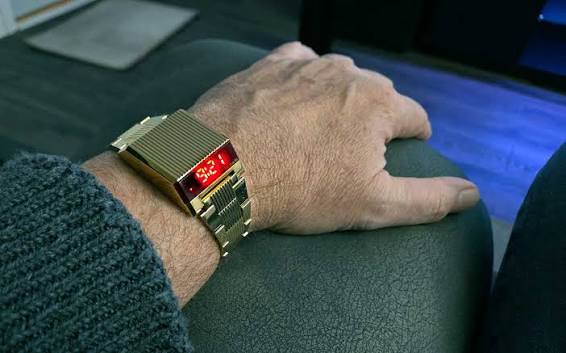
Bulova Computron

1976

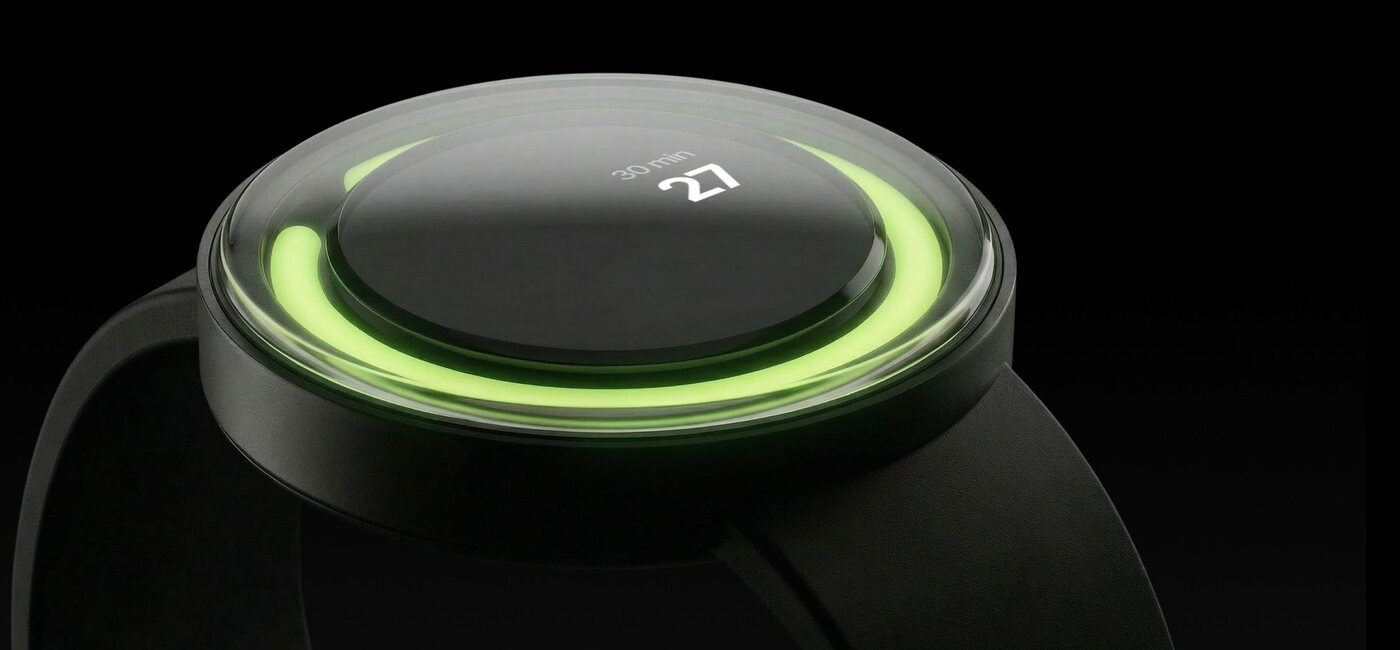
a driver's watch with the face angled at its owner - the same itch: time in the corner of the eye.

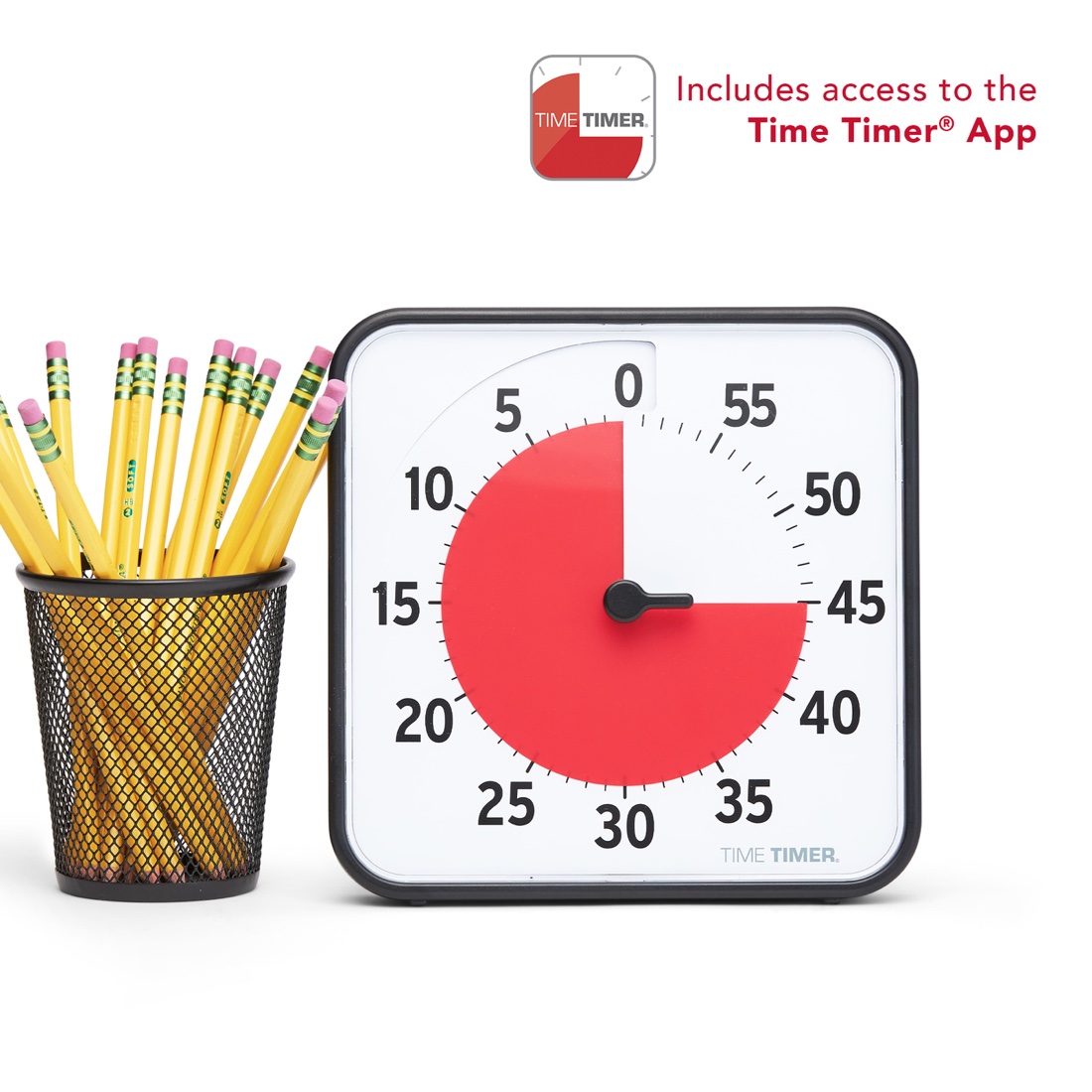
the Time Timer

1991

the red disc that empties - a single time block, taught in classrooms.

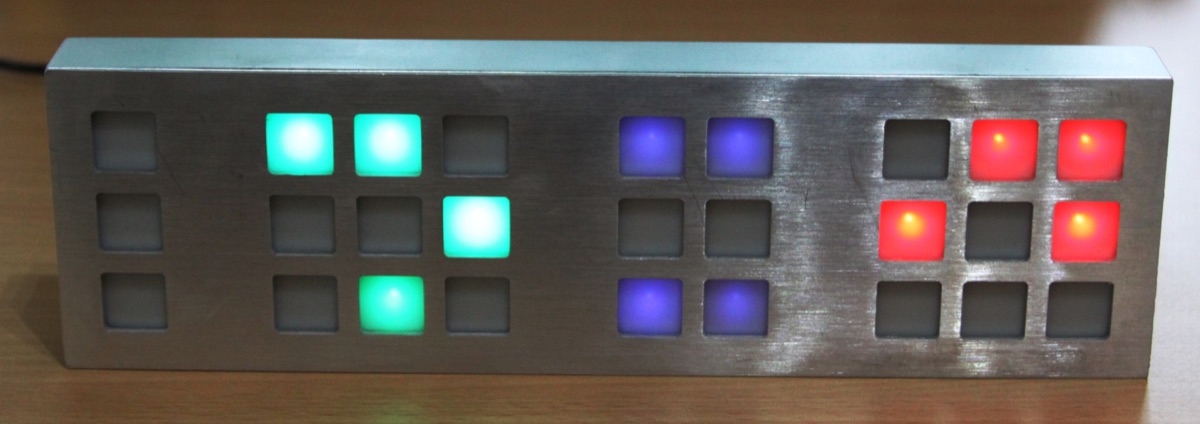
TIX clock

2006

digits as counted blocks of light.

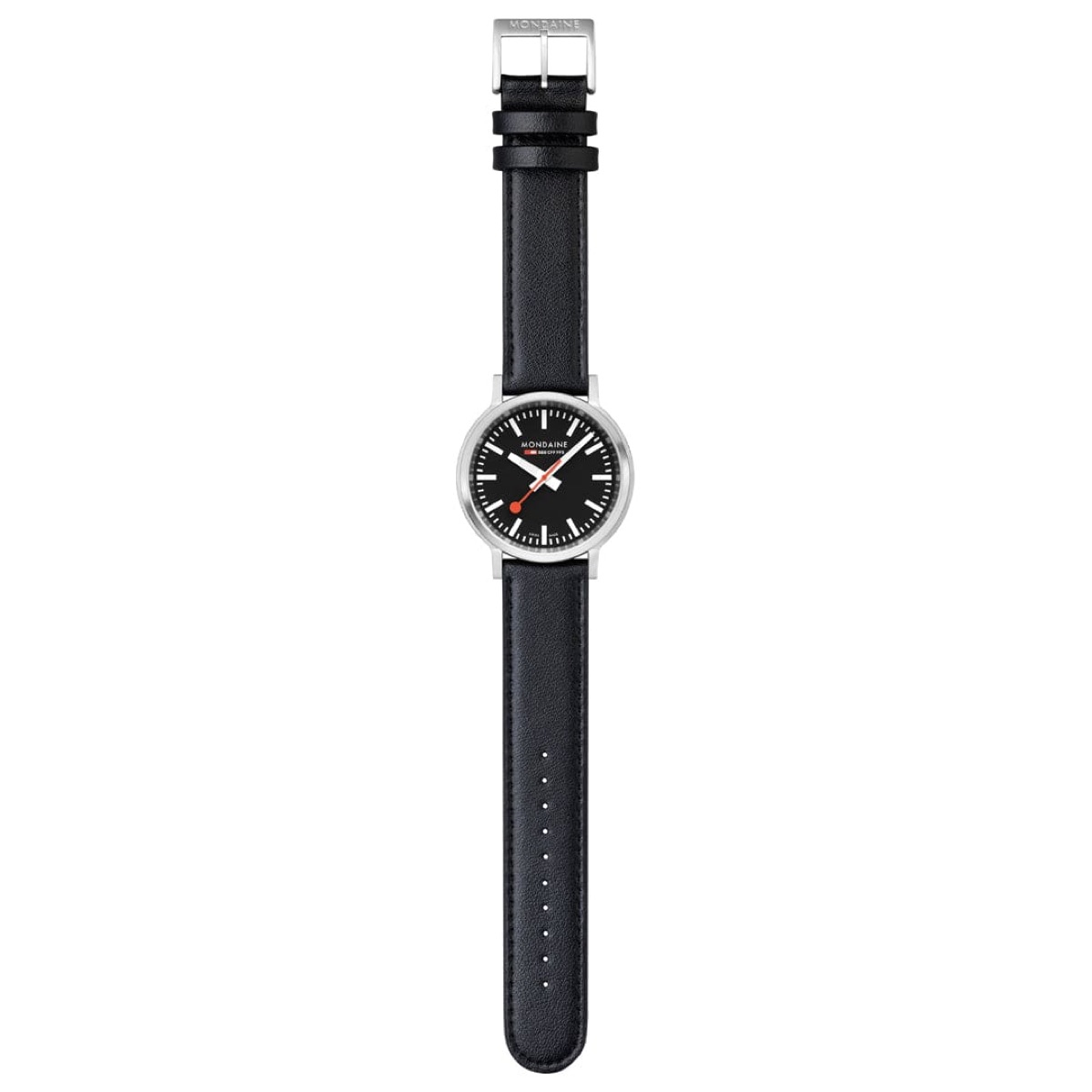
Mondaine stop2go

1944 / 2013

the Swiss railway second hand runs the minute in 58 seconds and waits at twelve: the minute made a visible unit.

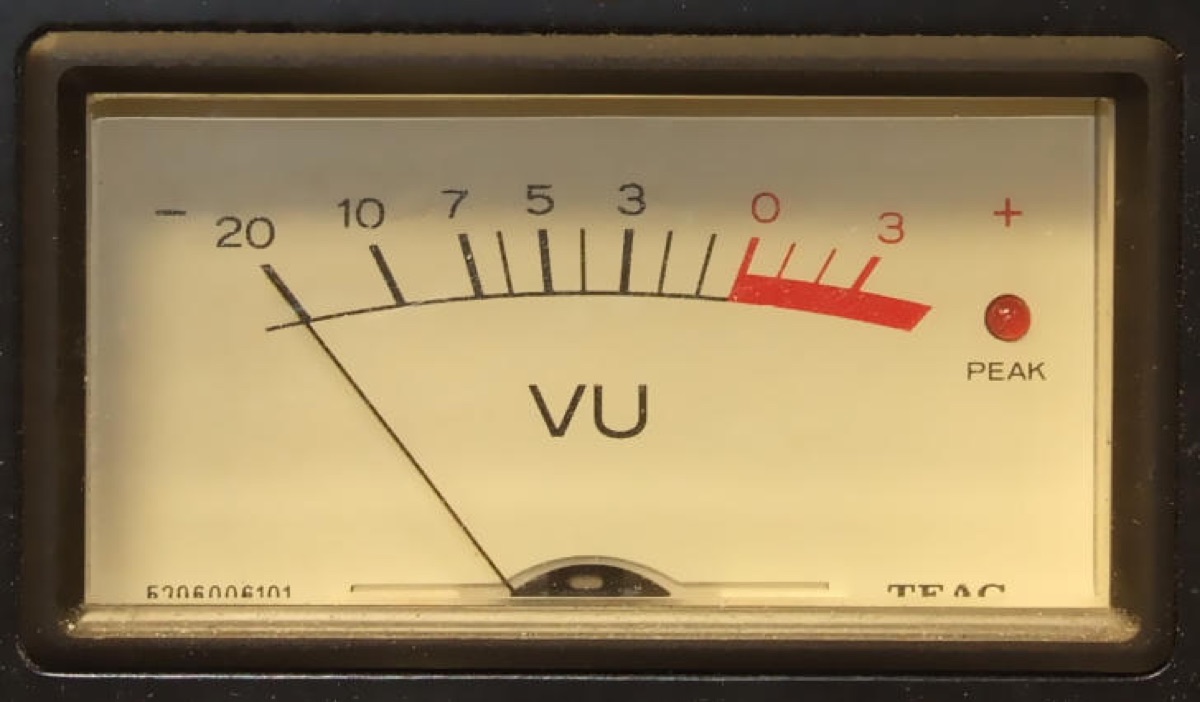
VU meters, progress bars

everywhere

the ambient ancestors: quantity as filled length, read without reading.

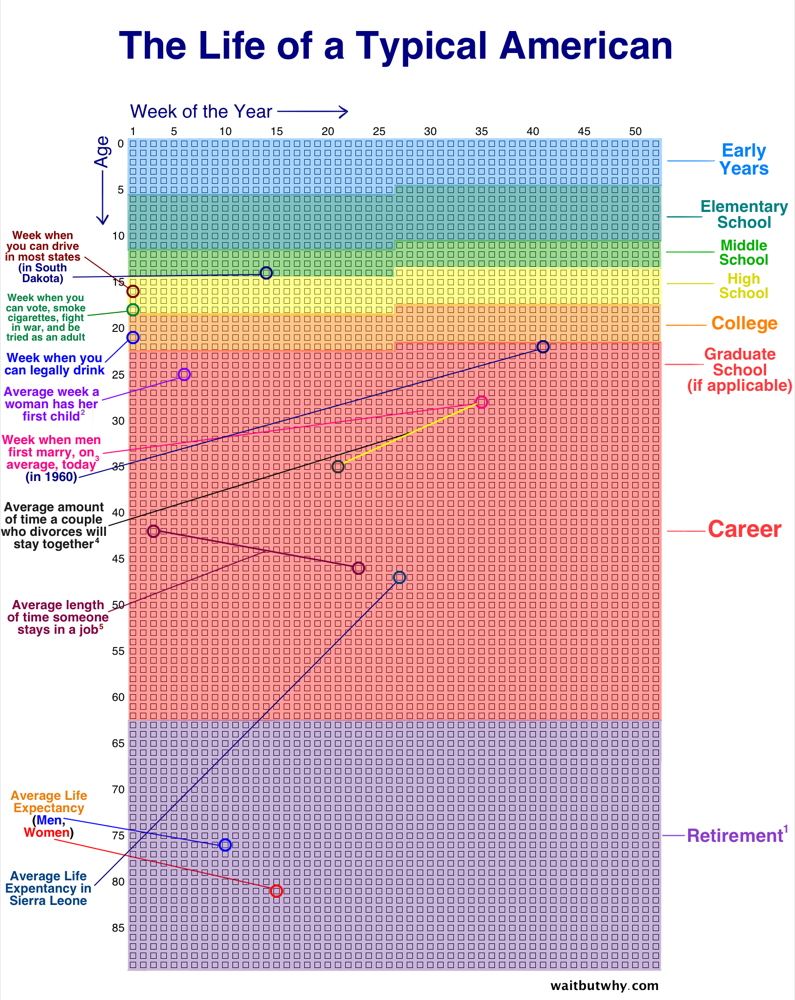
Your Life in Weeks

2014

the pattern at the scale of a life - one block, one week, the grid finite.

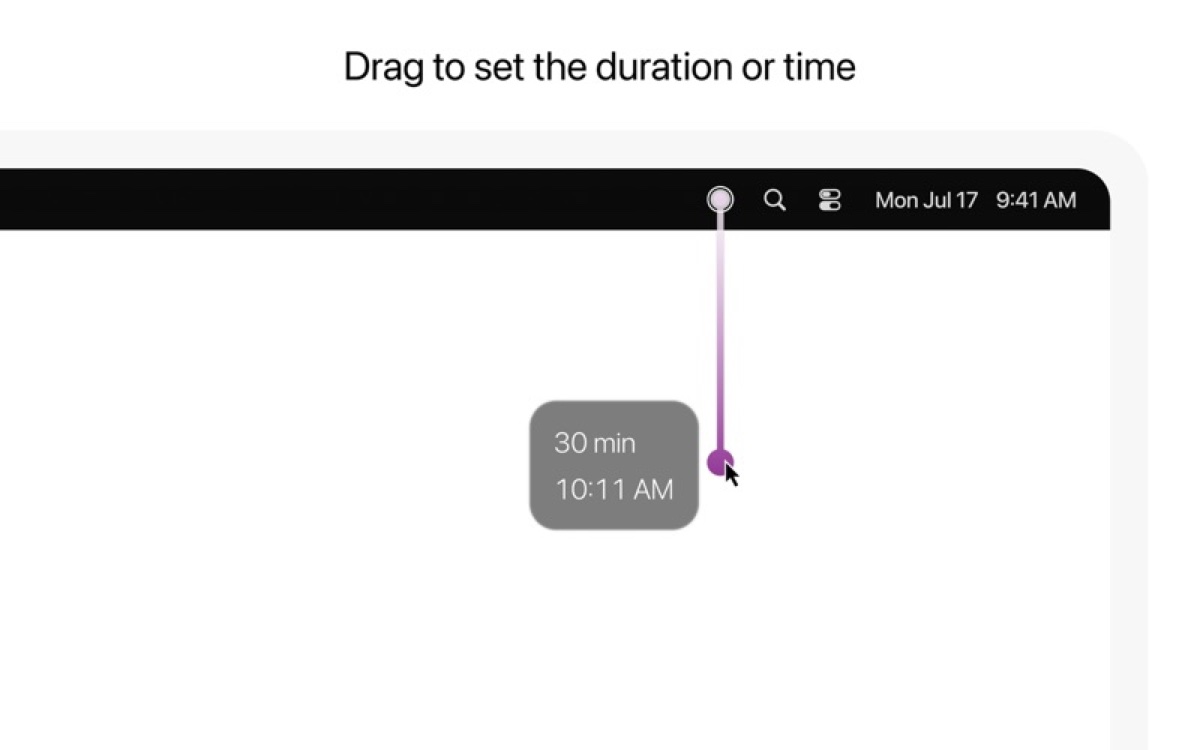
Gestimer · Onigiri

menu bar

small single-span blocks living in the Mac menu bar.

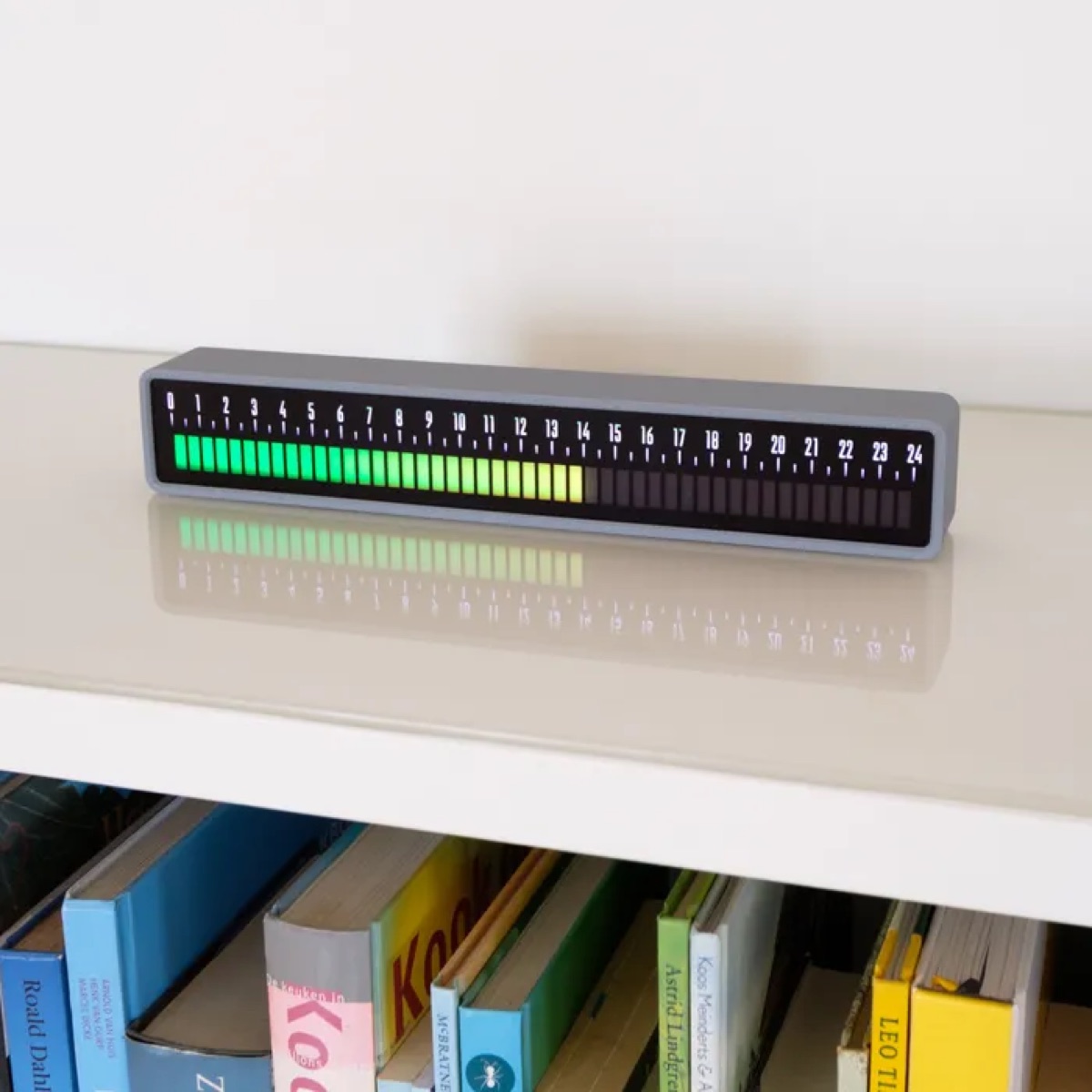
Daylight Machines linear clock

2026 · sighted 2026-08-30

the day as 48 half-hour blocks of light: “from these partially lit blocks it is surprisingly intuitive to read the time to a few minutes of accuracy.” The day I decided to build this page, someone shipped its thesis as hardware.

A wooden hourglass, sand mid-fall
photo: S. Sepp, CC BY-SA, Wikimedia Commons
Tally marks counting days, scratched in groups of five
the jail-wall count, from the 2023 write-up
A 1976 Bulova Computron LED driver's watch, trapezoid case, red digits on the slanted face
the 1976 Computron
A Time Timer: white clock face with a red disc marking the remaining span
image: Time Timer
A TIX clock: LED squares in groups, the count of lit squares reading the digits
photo: Wikimedia Commons
A Mondaine stop2go wristwatch, the red lollipop second hand at twelve
image: Mondaine
An analog VU meter, needle over the printed scale
photo: Wikimedia Commons
The Wait But Why life-in-weeks grid: a 90-year life, one box per week
image: Wait But Why
Gestimer: a timer dragged down out of the Mac menu bar
image: Gestimer, App Store
The Daylight Machines linear clock: a shelf object showing the day as a bar of lit blocks
image: Daylight Machines

the hourglass

antiquity
A wooden hourglass, sand mid-fall
photo: S. Sepp, CC BY-SA, Wikimedia Commons

the ancestor: one block, one span, understood on sight.

tallying

antiquity
Tally marks counting days, scratched in groups of five
the jail-wall count, from the 2023 write-up

blocks of days, scratched where you live them.

Bulova Computron

1976
A 1976 Bulova Computron LED driver's watch, trapezoid case, red digits on the slanted face
the 1976 Computron

a driver's watch with the face angled at its owner - the same itch: time in the corner of the eye.

the Time Timer

1991
A Time Timer: white clock face with a red disc marking the remaining span
image: Time Timer

the red disc that empties - a single time block, taught in classrooms.

TIX clock

2006
A TIX clock: LED squares in groups, the count of lit squares reading the digits
photo: Wikimedia Commons

digits as counted blocks of light.

Mondaine stop2go

1944 / 2013
A Mondaine stop2go wristwatch, the red lollipop second hand at twelve
image: Mondaine

the Swiss railway second hand runs the minute in 58 seconds and waits at twelve: the minute made a visible unit.

VU meters, progress bars

everywhere
An analog VU meter, needle over the printed scale
photo: Wikimedia Commons

the ambient ancestors: quantity as filled length, read without reading.

Your Life in Weeks

2014
The Wait But Why life-in-weeks grid: a 90-year life, one box per week
image: Wait But Why

the pattern at the scale of a life - one block, one week, the grid finite.

Gestimer · Onigiri

menu bar
Gestimer: a timer dragged down out of the Mac menu bar
image: Gestimer, App Store

small single-span blocks living in the Mac menu bar.

Daylight Machines linear clock

2026 · sighted 2026-08-30
The Daylight Machines linear clock: a shelf object showing the day as a bar of lit blocks
image: Daylight Machines

the day as 48 half-hour blocks of light: “from these partially lit blocks it is surprisingly intuitive to read the time to a few minutes of accuracy.” The day I decided to build this page, someone shipped its thesis as hardware.

03

the record

Not a story reconstructed after the fact - the artifacts, dated by the camera that took them.

  1. 2022-05-08

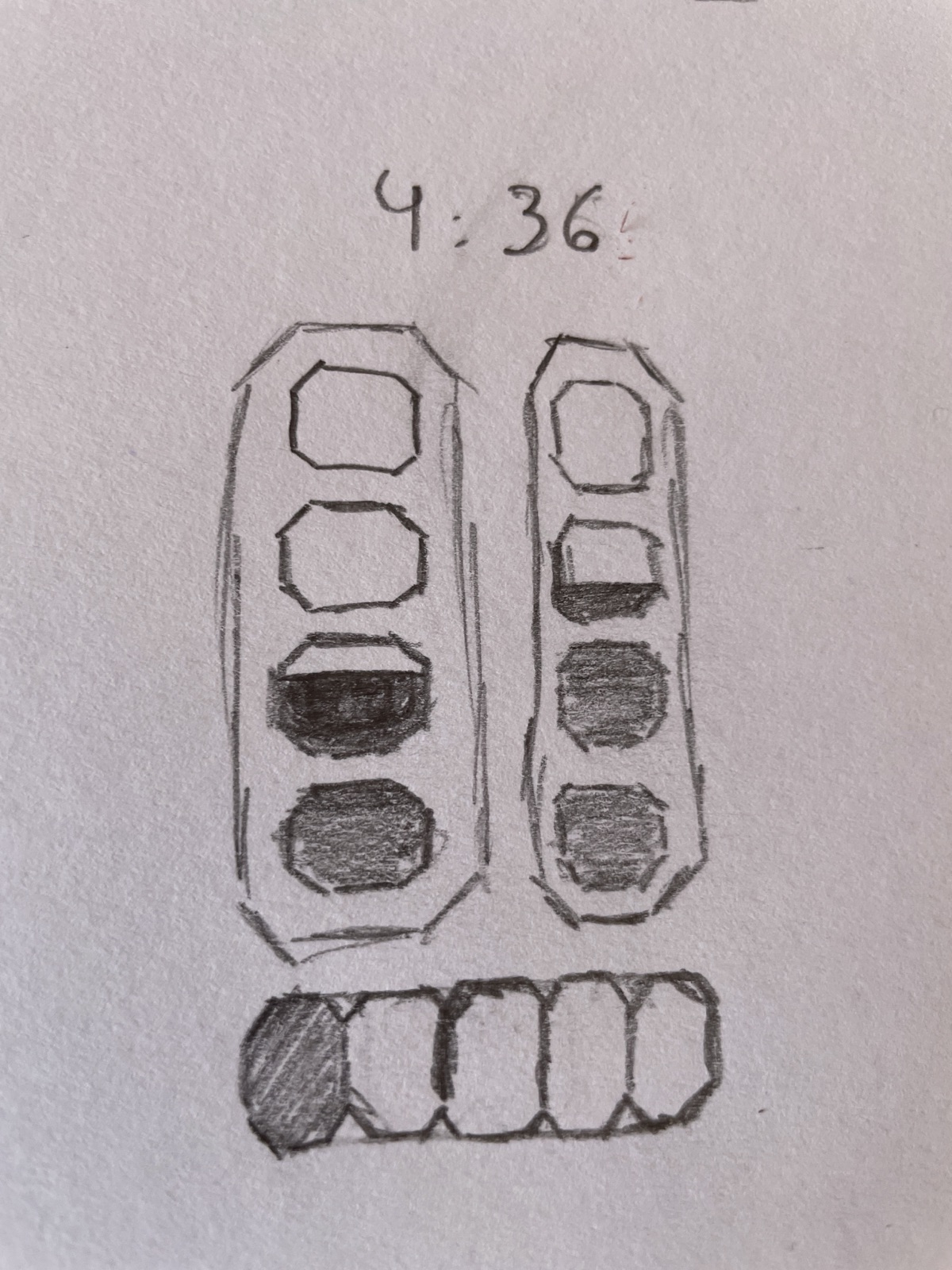
    4:36, in pencil. The earliest drawing that survives.

    Pencil sketch of two block columns reading 4:36
  2. 2022-05-08

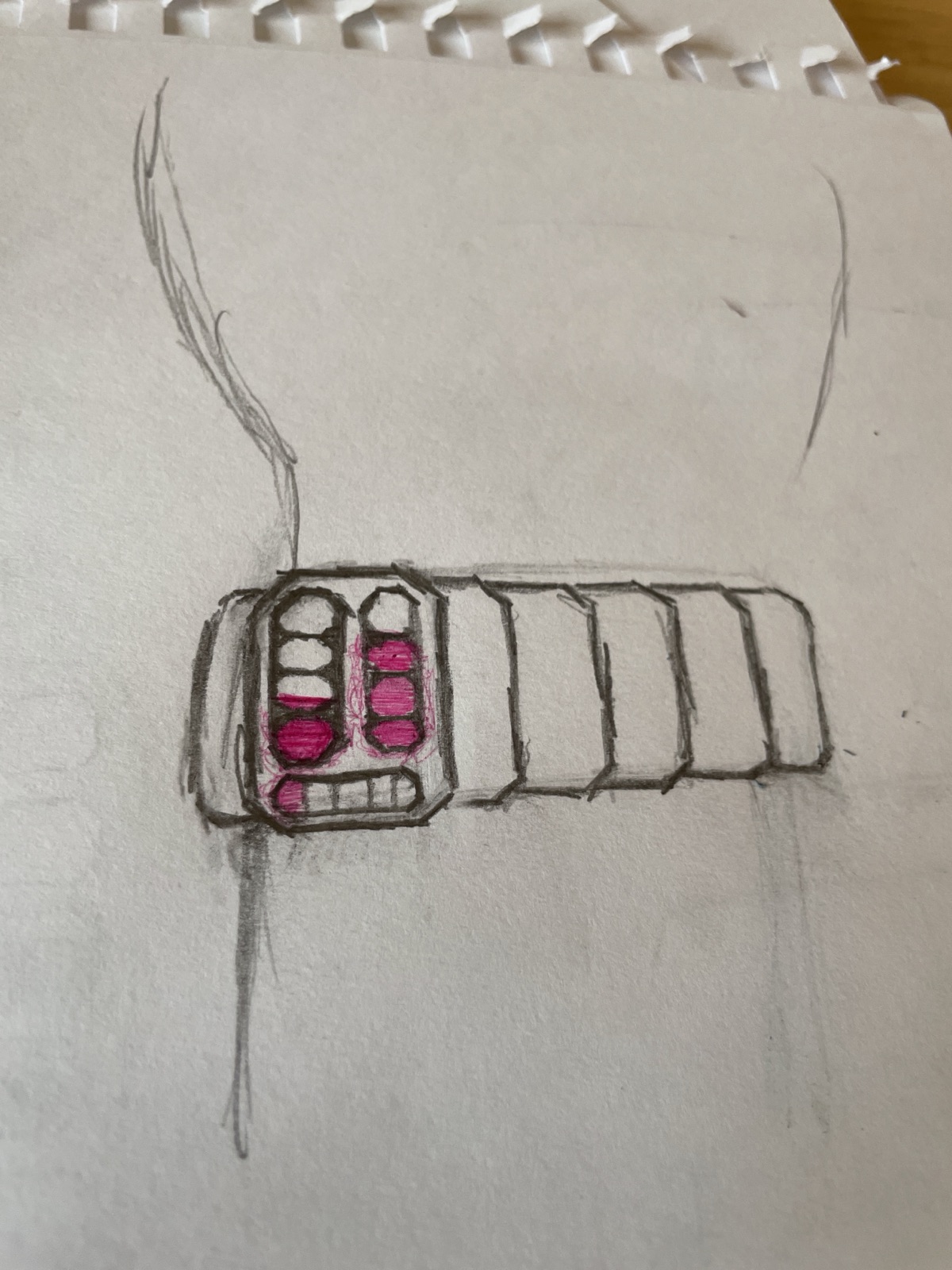
    The watch, imagined the same day.

    Pencil sketch of a wristwatch with filled blocks
  3. 2022-05-09

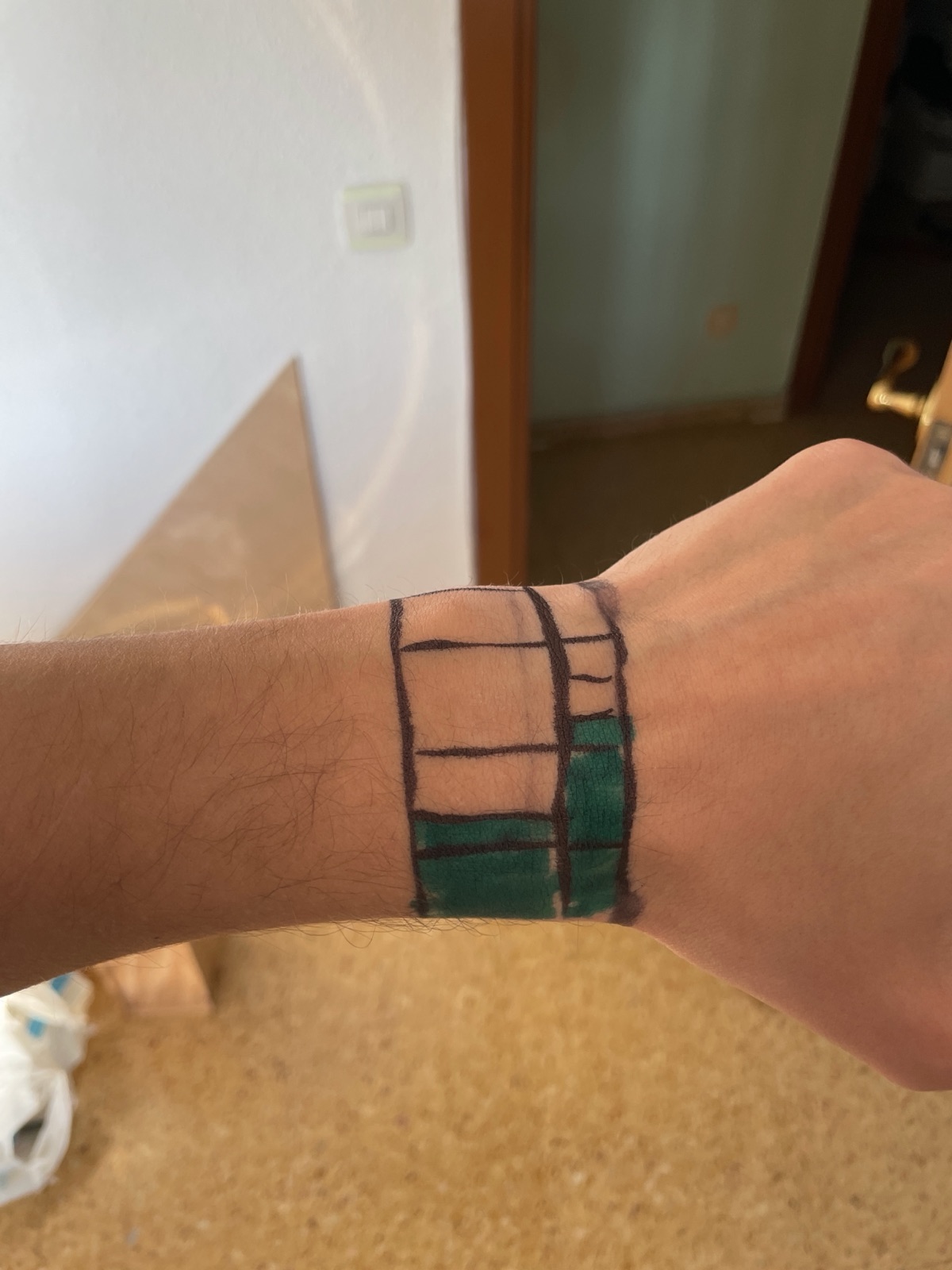
    Worn before it existed: the pattern drawn on the wrist in marker.

    The block pattern drawn directly on a wrist in marker
  4. 2022-06-12

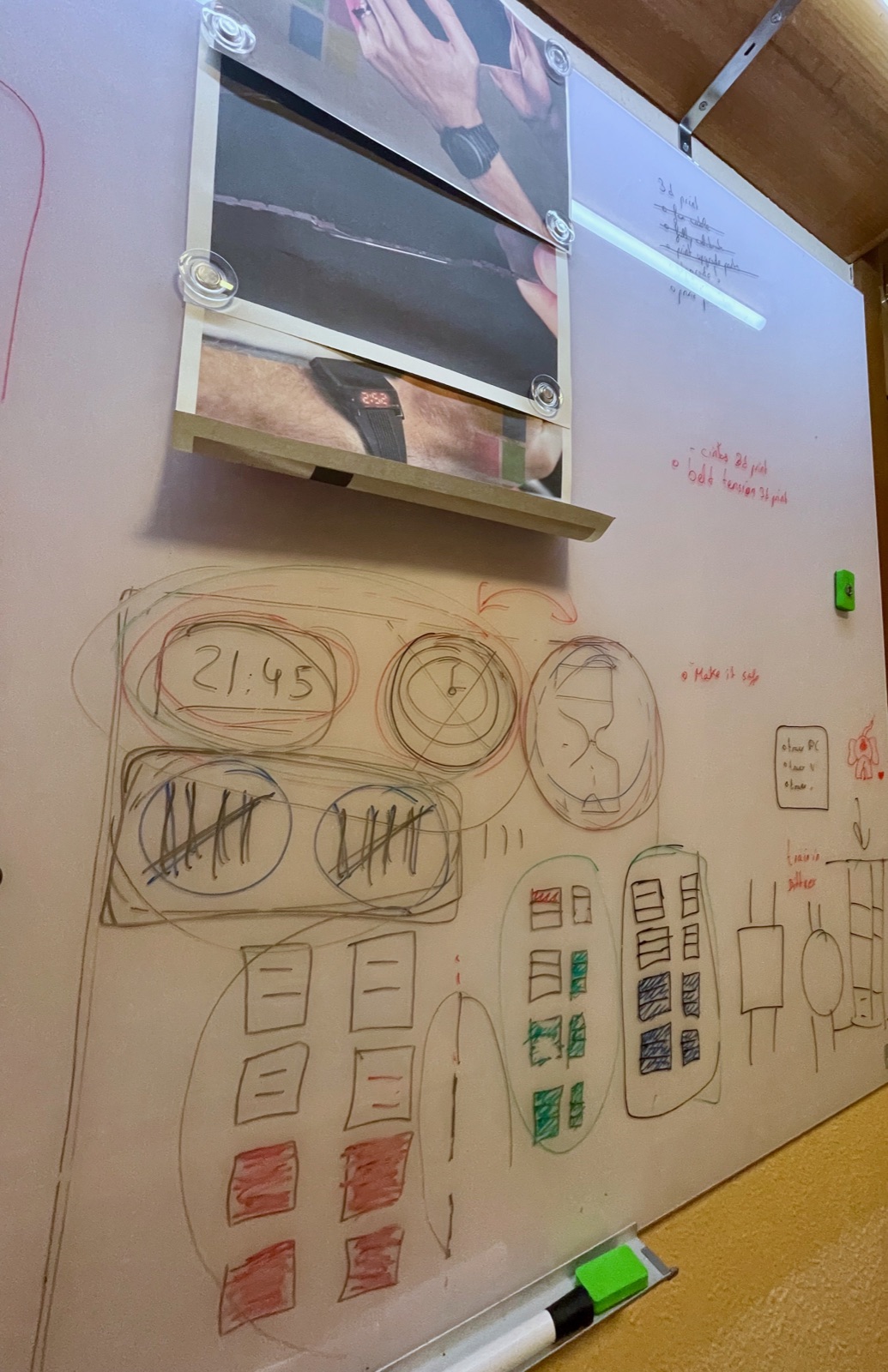
    The whiteboard: digital, analog, hourglass, tallies - the taxonomy - and “3d print” on the to-do list.

    Whiteboard with clock representations sketched and a 3d-print to-do list
  5. 2022-07-13

    First light: an LED matrix behind printed diffuser blocks.

  6. 2022-07-25

    A chassis. It stood on the desk and told the time.

    3D-printed framed prototype standing upright, columns glowing blue and green
  7. 2022-08-04

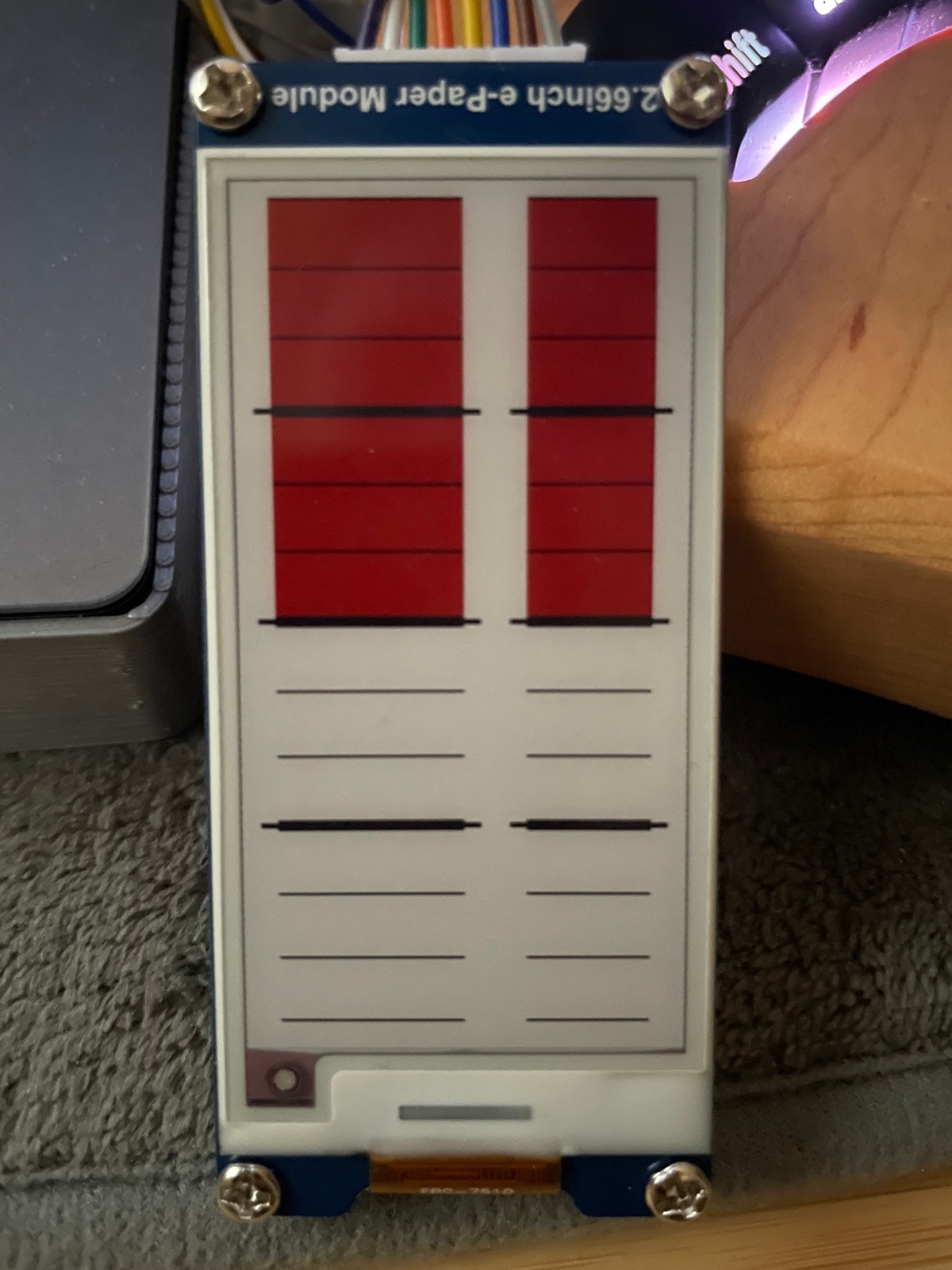
    The e-ink detour: same blocks, no light.

    E-paper module rendering the two block columns in red
  8. 2022-08-26

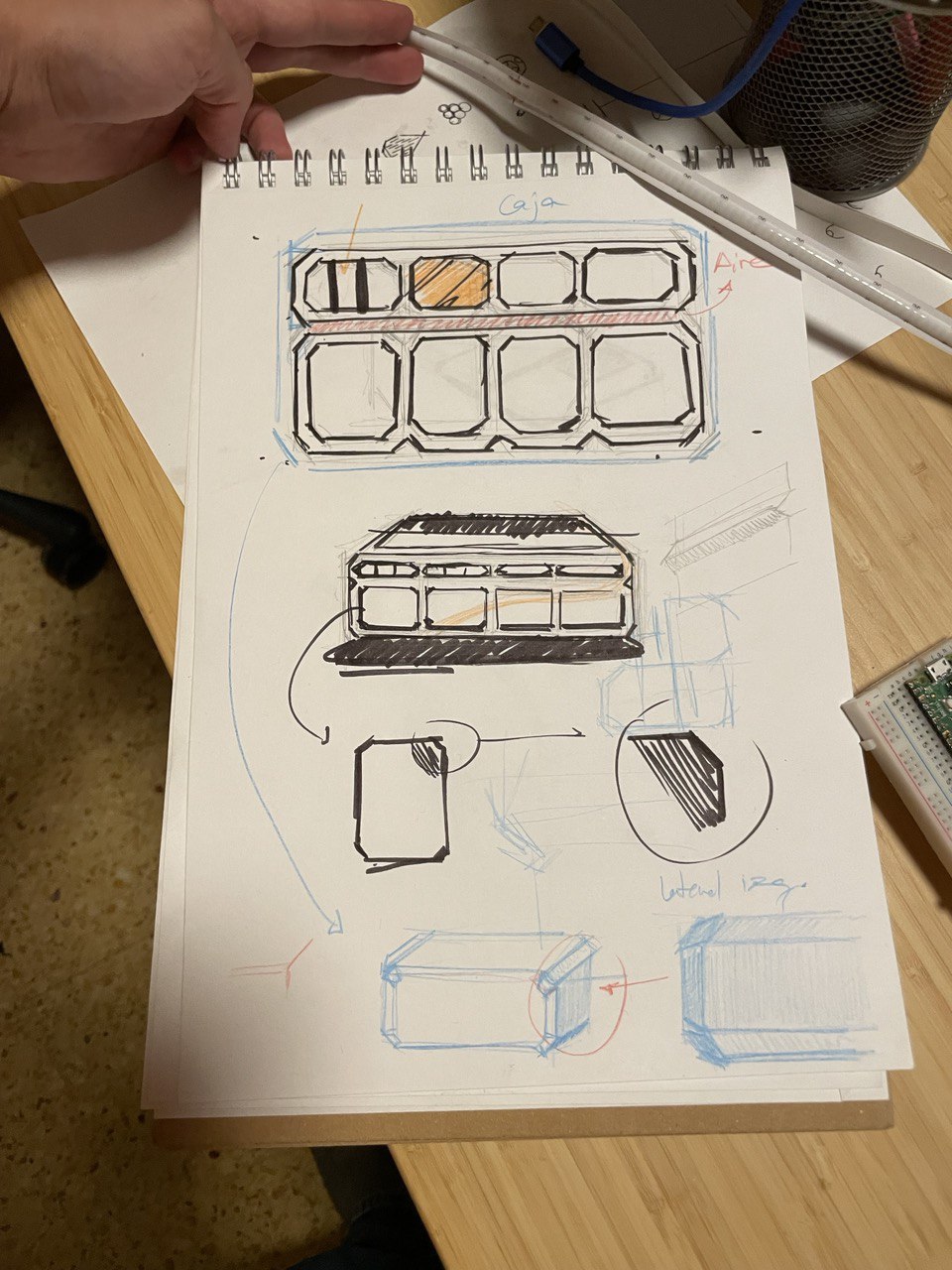
    The desk sketch - a summer of hardware already behind it. Ten months later it became the repo's first image.

    The desk sketch: block layouts and chassis studies in a notebook
  9. 2023-06-29

    The idea goes public: adriangalilea/time-blocks, a write-up and a first web build.

  10. 2023-12-28

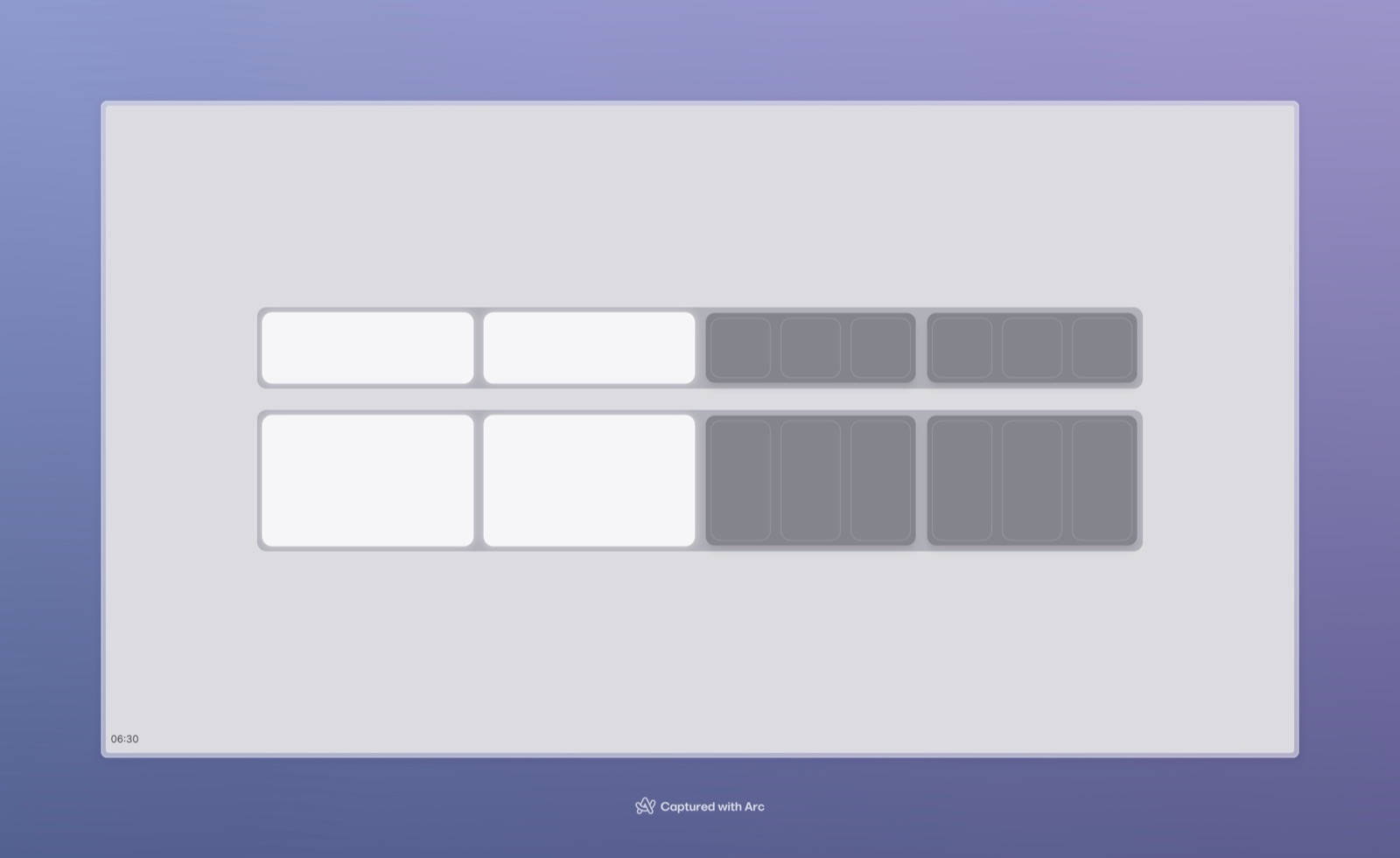
    The web build gets a name: Tempo. That first deployment is retired; the current instrument carries it.

    Dark web iteration named Tempo: one hour lit, minutes filling
  11. 2024-04-11

    The write-up wondered why jail-wall day counting has no household name. A stranger opens issue #1 to hand over the word: tallying. A pattern can be ancient, everywhere, and still unnamed - until someone bothers. This page is the bothering.

  12. 2026-07-05

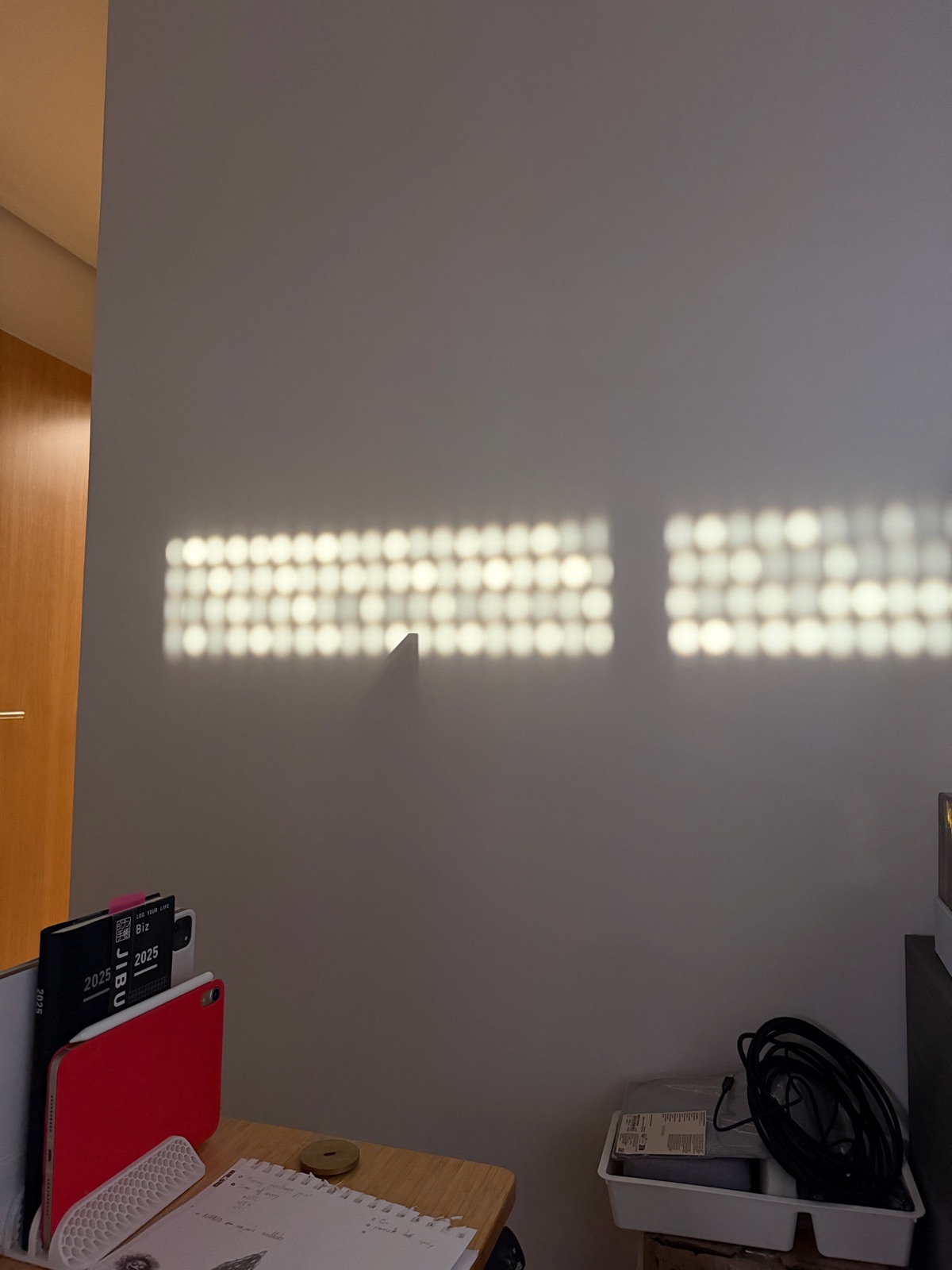
    Sunlight through blinds. The pattern was always ambient.

    Sunlight through blinds casting a grid of light blocks on a wall
  13. 2026-08-30

    Named. The pattern is time blocks; the instrument is Tempo; this page is the record.

04

coda

Where this goes: Tempo on more surfaces - a watch face, a wall, a screensaver - and one day Time Blocks as the physical object the 2022 prototypes were reaching for. The names are settled: time blocks is the pattern, Tempo is an instrument that plays it.

The trail, so none of it gets lost: